There has been music for theatre productions, notably the Pop-Up Globe, plus collaborations, two books and more. It is a vast, singular and unique body of work.
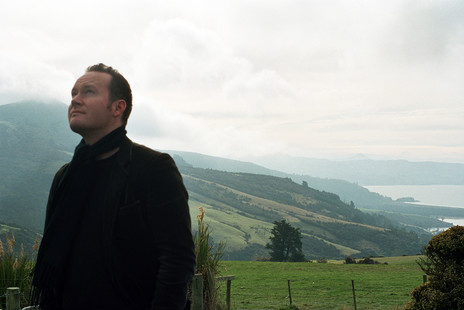
Paul McLaney, who turned 50 in 2025, came to this country when his family emigrated from Stockton-on-Tees, County Durham in the north of England. He was eight. They returned to Britain briefly, then made the trip back when he was 12.
He picked up guitar at Whangārei Boys’ High School and, like many of his generation, was in thrall of guitar heroes like Eric Clapton, Peter Green (of early Fleetwood Mac), and Pink Floyd’s David Gilmour.
“I have an indelible memory of my first real emotional response to a piece of music: I’m 15 years old, it’s the end of lunch time and I’m listening to [Pink Floyd’s] The Wall on my Walkman.
“I’m crossing the quadrangle with a thousand boys running in every direction as the bell goes for fourth period and that second guitar solo hits. I’m rooted to the spot and when [Gilmour] hits that high note the tears just start streaming down my face. I’ve often pondered that moment and dissected it to understand what occurred, what the trigger was. I’ve come to the conclusion that for me it is the sound of self-actualisation, as Katherine Mansfield said, ‘to be all that you are capable of being.’ ”
In conversation, McLaney references writers, artists, and philosophers as much as musicians
In conversation McLaney references writers, artists and philosophers as much as musicians, so it comes as little surprise he has a scholar’s training.
After high school he went to Dunedin’s University of Otago and qualified as a lawyer, which subsequently allowed him a parallel career in the music industry outside of his own music. McLaney has used those law school years to assist others in the delicate matter of intellectual property and copyright.
He worked as general manager for Mushroom Music Publishing in the areas of licensing and A&R (Artists and Repertoire), was a longtime consultant at Native Tongue Music Publishing, on the New Zealand Music Commission’s Board of Trustees for nine years, and part of the Music Managers Forum where he was a mentor with specialist expertise in music publishing.
But building that body of work was his driving force.
His time in Dunedin was formative creatively but also he felt a negativity in Dunedin’s musical culture where artists could seem diffident about their work and sometimes talk it down and shy from success.
“If you don’t want anyone to hear what you are doing, then don’t record it. But if you put out an album and you’ve done exactly what you wanted to do and it goes on to sell, where’s the problem?”
McLaney’s pragmatism meant he was serious and treated music making like a job: “It’s not hard to put a band together and write songs. It’s hard to maintain a living, however, and I was a soloist for a long time because you have low overheads. You have to be realistic.”
He says as the music around him changed he traded in his love of guitar heroes in that post-punk era when “guitar solos were off the menu” for “music more in line lyrically with my emotions: The Smiths, The Cure, The The …”
“Lyricists like Robert Smith and Morrissey were my introduction to poets like Shelley and Auden, much like Jimmy Page was my intro to [folk guitarist] Bert Jansch and all the great British finger-style guitar players ... My love of technique and intricacy naturally fell towards finger-style guitar.”
He continued to write and play in the formative guitar style but knuckled down to work on songwriting and improving his singing.
There was an itinerant period after university – time in Auckland, Queenstown and Napier – but once back in Auckland he disciplined himself to play every week at The Temple folk club on Queen Street and pushed himself to have a new song every time.
“They might not be the best songs in the world but every time you write you’ve learned something new and can see what will work and what won’t.
If the writing is “less forced, the lyrics are going to be a bit more inspired”
“By writing all the time I discovered if it’s less forced, the lyrics are going to be a bit more inspired. If you want to be a writer you need to read books, that’s where you get the words from.”
On reflection he can see his debut Pedestrian in 1997 was answering the beginner’s question, “How do you make a CD and what do you do once you’ve made it?”
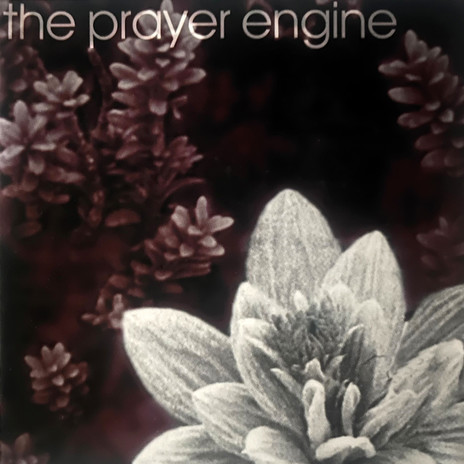
The second, The Prayer Engine with the Avalanche Trio the following year, was “the Big Artistic Statement” and Permanence in 2000 was putting all his “acquired knowledge into action and taking time to get it right”.
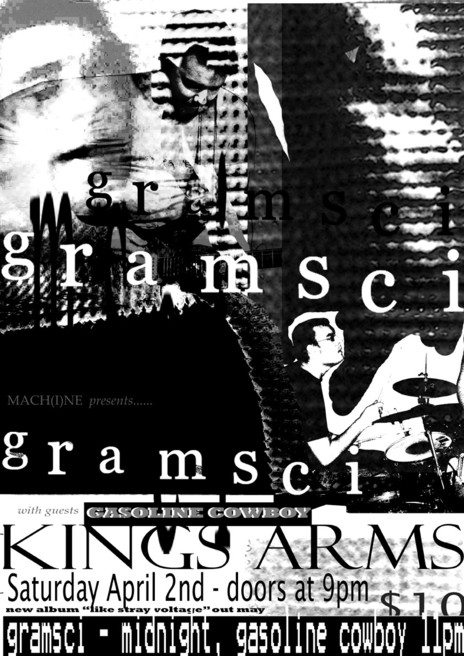
That album was his first as Gramsci, named for the Italian political philosopher Antonio Gramsci who argued for change from within political systems rather than revolutionary overthrow.
“There’s an allegory there to commercially releasing music as well as the delicious irony of someone typing ‘Gramsci’ into Google looking for music and finding him and his prison notebooks,” he laughs.
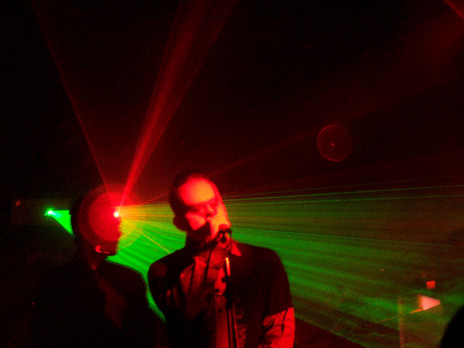
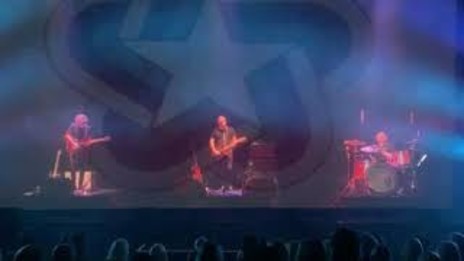
Over the decades he has returned to Gramsci as an outlet for a different kind of music, something louder, taking advantage of studio technology and moving into the rock end of the spectrum.
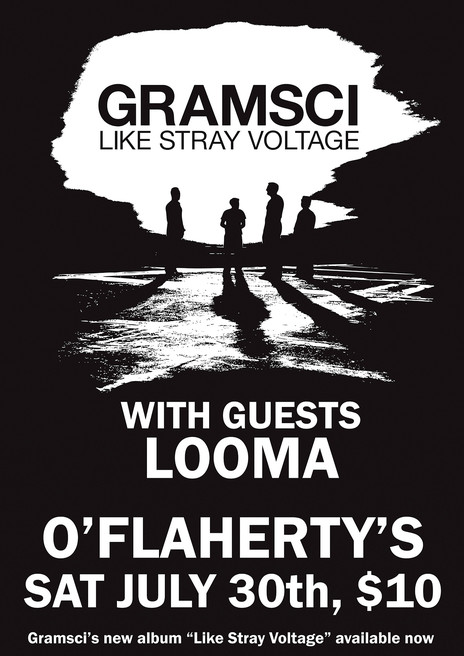
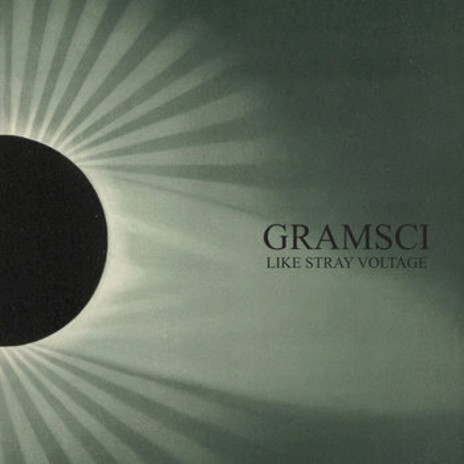
Gramsci lasted three albums in its first iteration: Permanence, Object (2002) then the Tui-nominated Like Stray Voltage (2005) with producer David Holmes (Jakob, Kerretta).
“That third record is so sonically different, moving to the more traditional format of a rock band. That was motivated by the desire to be able to present a live show with a bit more muscle.”
But that was the end of the first chapter of Gramsci as he and Holmes moved in different directions: “Dave wanted to keep going further in that direction and I had already gone far away from my centre in that regard. I was getting quieter and he was getting louder. He formed Kerretta and I made the Edin album [2006]”.
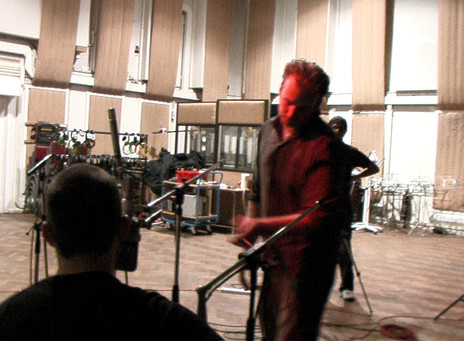
McLaney had already been juggling his quieter work with Gramsci when he recorded The Shadows of Birds Flying Fall Slowly Down the Tall Buildings at London’s famed Abbey Road in 2004.
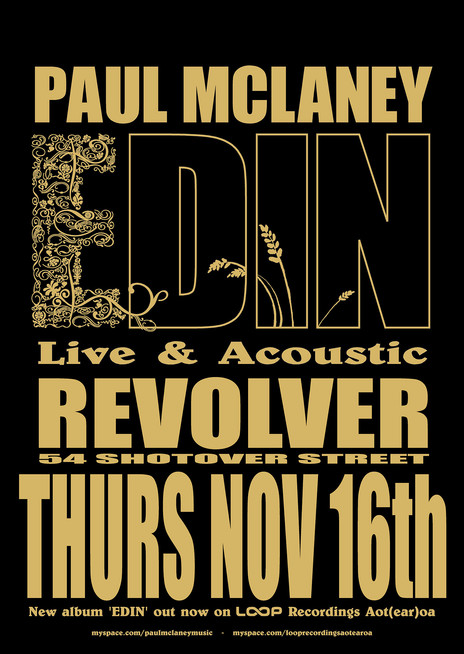
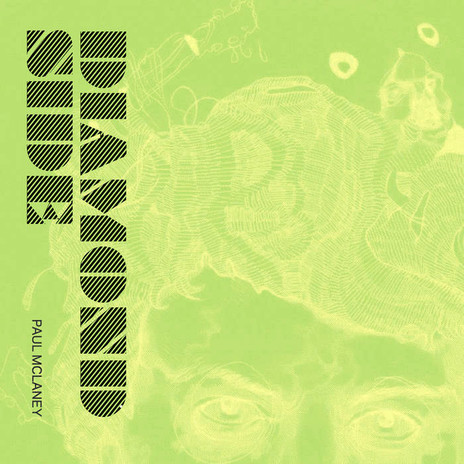
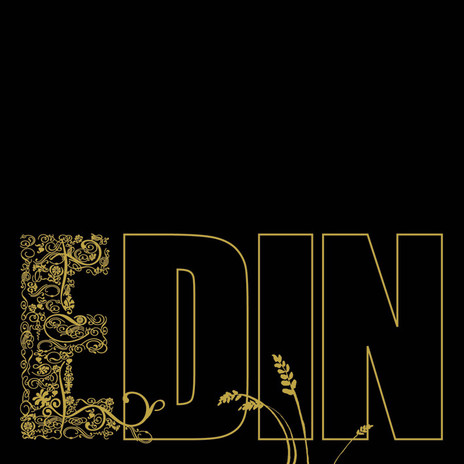
That album, Edin recorded in Dunedin two years later with engineer Dale Cotton, Diamond Side (2007) recorded in Los Angeles with Michael Frondelli (Rolling Stones, Crowded House) and Play On (2017) were a return to quieter considerations.
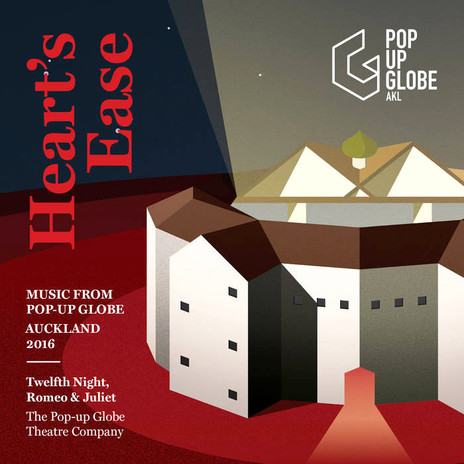
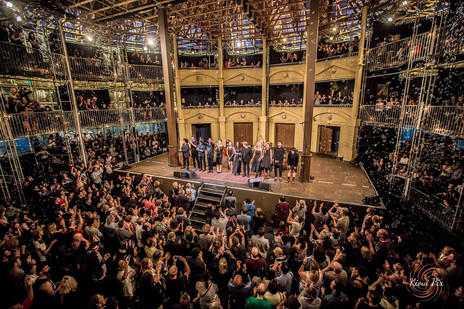
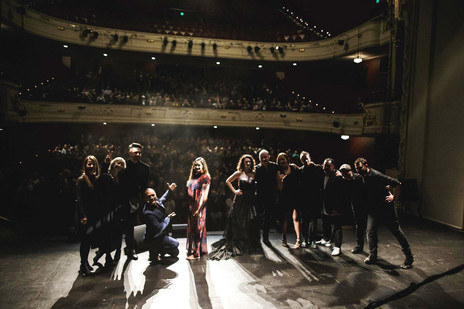
Play On – with Mara TK of Electric Wire Hustle, Julia Deans, Ria Hall, Esther Stephens and Laughton Kora – was a different and ambitious project, song settings of soliloquies by Shakespeare, Christopher Marlowe and others which began life as a concert at the Pop-up Globe Theatre in Auckland.
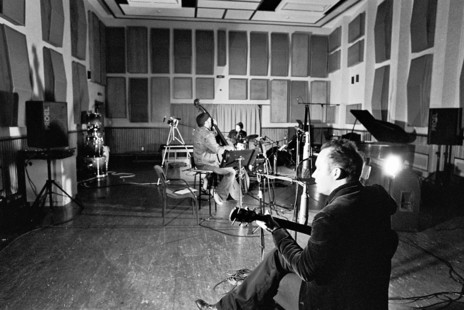
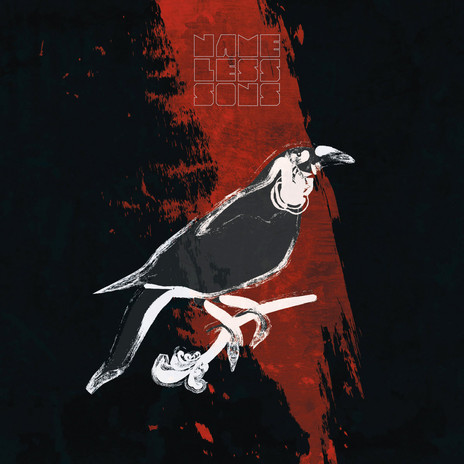
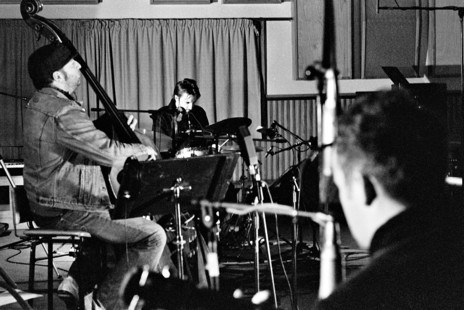
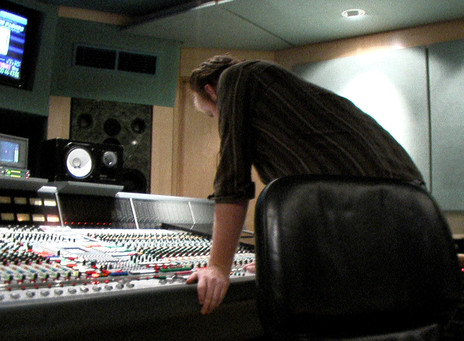
In late 2011 McLaney recorded an album, Nameless Sons, at The Lab Recording Studio in Auckland. Featuring Andrew Park on bass and piano and Malcolm Blake on drums, the album was released in 2012.
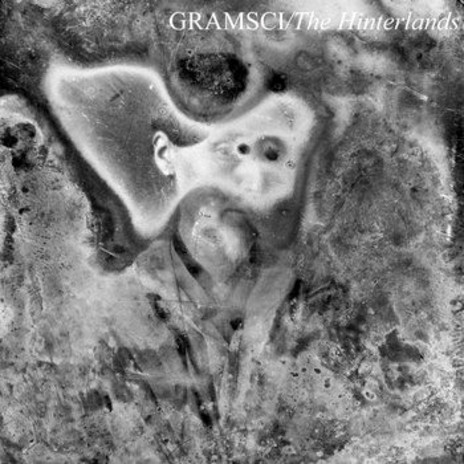
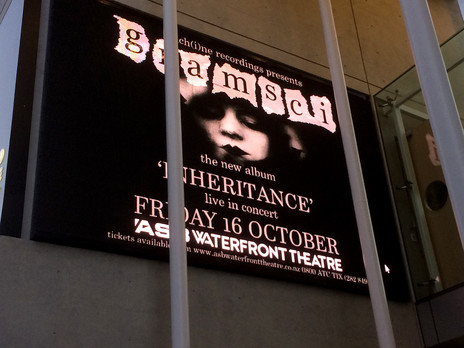
In 2020 he released The Old Traditions with Malik (recorded four years previous) and also returned to Gramsci for the Pink Floyd-influenced Inheritance, then The Hinterlands (which came with the note: “to be played at maximum volume”) and In Formation (both 2022).
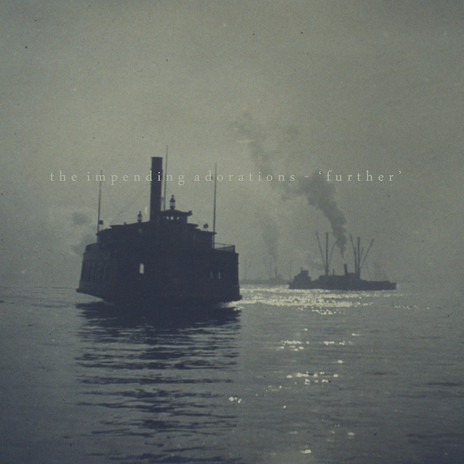
During this period – 2011 to 2019 – he also released a series of digital-only albums as The Impending Adorations which were different again.
with cheaper digital technology, McLaney’s original vision can remain more intact
In 2012 when discussing the first Impending Adorations album Gestalt and the rationale behind what became a series, he noted that his creative process had always been to work with others whose input would alter the original vision. Not necessarily in a negative way, but altered nonetheless.
Now, with cheaper digital technology, the original vision could remain more intact and with the editing processes more flexible, it allowed him to explore what he called “the music of the mind” in the manner of Brian Eno and Burial.
“I’m chasing a collision of sounds that is a collage of emotional resonances, the sound of memories half forgotten, an archive of regrets and dreams, the yearnings of previous youthful incarnations of us, the prospect of many years ahead and all the vast landscape of the interior that we wrestle with each moment we exist.”
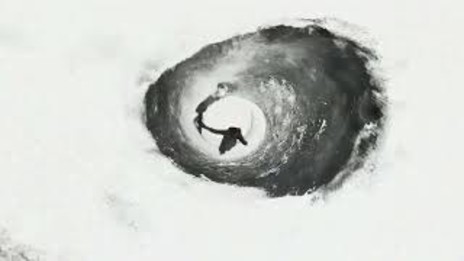
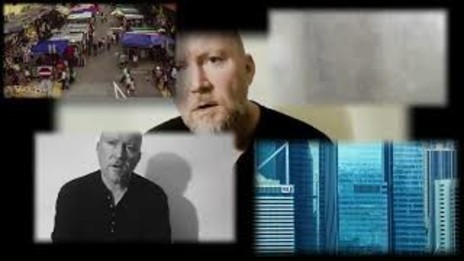
In 2021 he released an Impending Adoration single and nine minute video ‘The Ties That Bind Us’ with Kelly Sherrod (visual artist, in Shayne Carter’s Dimmer and a performer/visual creative as Proteins of Magic).
McLaney has been a busy collaborator, especially in his considerable catalogue of theatre work for various companies (among them, the Auckland Theatre Company, Pop-up Globe, as music director three years in a row for the World of Wearable Arts).
He has worked with SJD, Fly My Pretties, Module, Anika Moa, Concord Dawn and many others.
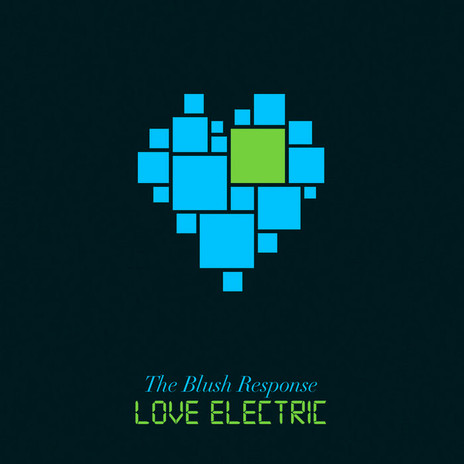
The 2011 one-off experimental synth pop album Love Electric – as The Blush Response – found him in the studio with Rhian Sheehan, Malik, Jeremiah Ross and engineer Chris Chetland. McLaney provided the Bowie-like vocals.
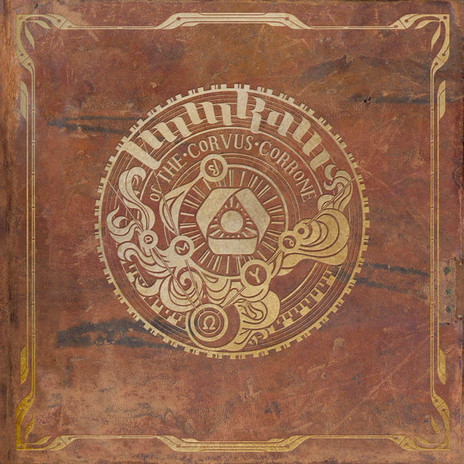
As someone who grew up with prog-rock and has a great affection for bands like Genesis, he – alongside Jeramiah Ross (aka Module) and artist Matt Pitt – was also part of a very amusing and professionally delivered prog-rock hoax, the 2011 album Immram: The Voyage of the Corvus Corrone.
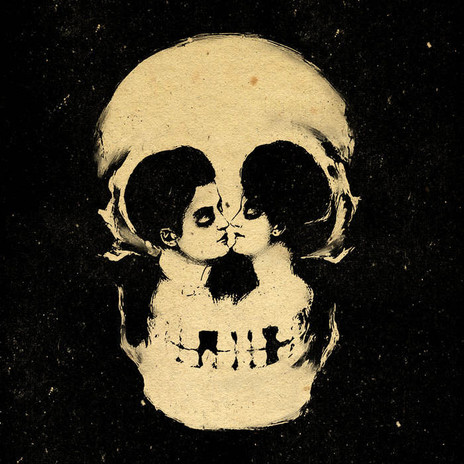
The backstory insisted this was a great lost and extremely rare prog-rock concept album which they presented in a lavish package with lyrics and a beautiful booklet of artistic representations of the story. A lot of people were in on the joke and hailed the rediscovery of this mythical album which others believed never existed. It didn’t, but that was no reason for,McLaney and others not to create it.
The album also allowed McLaney to indulge in his love of artists like Jethro Tull, King Crimson and Pink Floyd.
Despite this astonishingly productive career, McLaney still manages to go past many, even those who have heard his music in the many contexts where it has appeared.
He has moved between various styles and labels and, as early as 2006 when reviewing the Edin album, NZ Herald writer Russell Baillie said, “[McLaney has] shown himself to be a fine singer … but his label-hopping suggests he’s a hard act to flog in a country where high-profile solo male singer-songwriters tend to be veterans of a band or two”.
An inability to be pinned down has allowed him to move wherever his muse takes him
But that inability to be pinned down by a hit single or album in any particular genre has allowed him to move wherever his muse takes him.
And it’s too late to stop now.
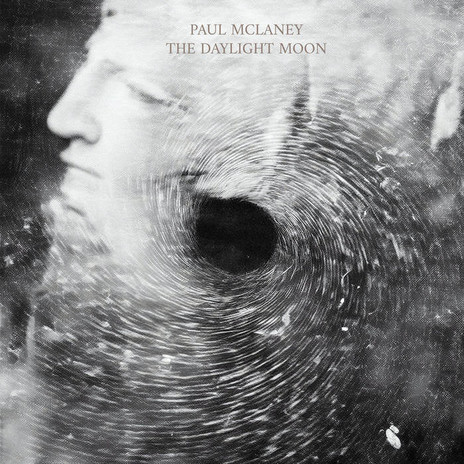
In the past two years there have been other albums under his own name: As the North Attracts the Needle (2023) and The Daylight Moon (2025); Know Return as Gramsci again with Devin Abrams, aka Pacific Heights (2025).
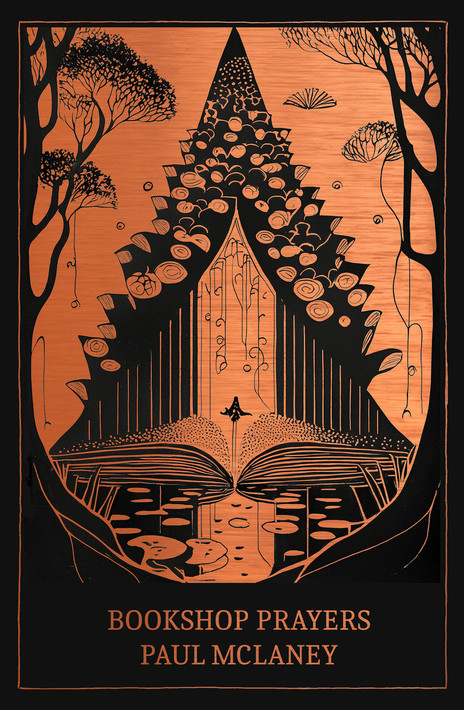
And two books: the tactile and cleverly presented The Deep Dark Hole/The Faint Glimmer of Hope (2024) which addresses depression and an avenue out from it, and Bookshop Prayers the same year – 200 quiet poems and meditations.
There have been videos and short films and tours. And he has overseen the re-presentation of the first three Gramsci albums on vinyl, a format he has embraced for much of his output.
But at the heart of what Paul McLaney does is make music and let it take him to wherever. He remains mindful of what those years in Dunedin showed him about ambition, and sometimes the lack of it which he witnessed there.
As his remarkable track record shows, that reluctance is not him. “I want as many people as possible to hear what I’m doing.”