Al Young
aka Alan Young
The blues is the blues. Sounds simple enough, but purists can get contentious about exactly what that means. To get close to the heart of it you’d best listen to someone who has put in the yards exploring the trails that wind through the musical and cultural map of the US southern states and out into the world, and has applied that understanding to their own playing.
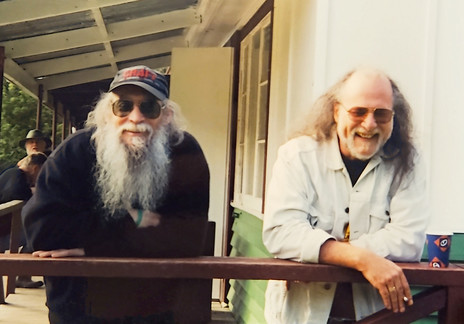
Bob Silberry and Al Young at the Wellington Folk Festival
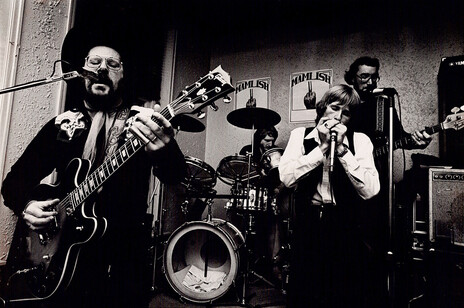
Mamlish at the Shakespeare, Auckland, c. 1985/86. Al Young, guitar; Richard Linklater, drums; Neil Finlay, vocals, guitar, harmonica; Mike Wright, bass
Photo credit:
Alan Young Collection
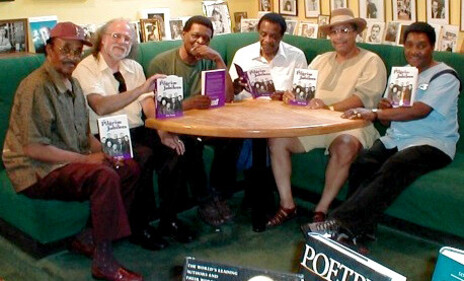
Al Young with the Pilgrim Jubilees, preparing for a book-signing at Lemuria Books in Jackson, Mississippi, 2002. From left: Major Roberson, Al Young, Clay Graham, Cleave Graham, Ben Chandler, Bobby McDougle.
Photo credit:
Alan Young Collection
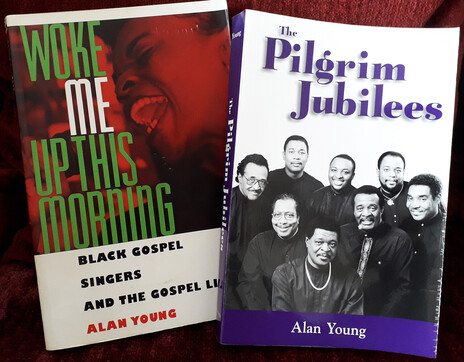
Books written by Al Young. “Both still in print and bringing in royalty payments. A trickle, not a flood, but every little bit helps.”
Photo credit:
Alan Young Collection
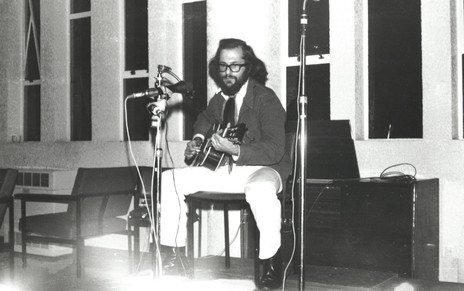
Al Young, performing at Victoria University during the Wellington Folk Festival, 1970s.
Photo credit:
Wellington Folk Festival
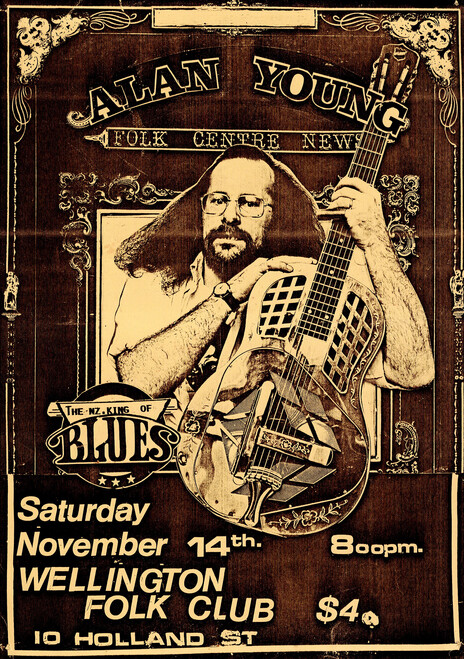
Poster for Al Young’s Wellington Folk Centre concert, 1987. “I remember it well – I’d come up from the South Island with a cracker dose of laryngitis. So I drank Scotch whiskey at the gig to keep the pipes open; by the time the concert finished, I was as pissed as a rat, but still singing … and I got an encore.”
Photo credit:
Alan Young Collection
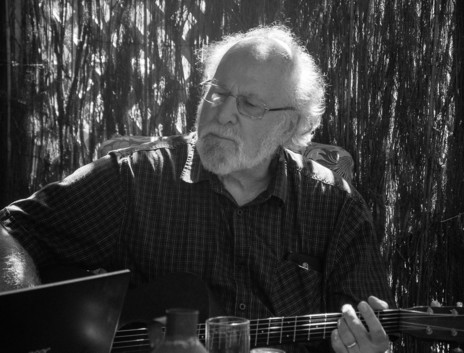
Alan Young, Railway Pie, at Shakey Studio in Maungataroto, Northland
Photo credit:
John Pain
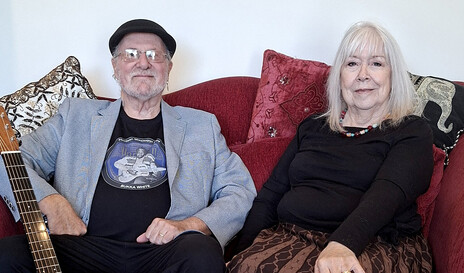
“The old folks at home” – Beverley and Al Young, 2025. A promo pic for Ak Folk Festival, January 2026.
Photo credit:
Alan Young Collection
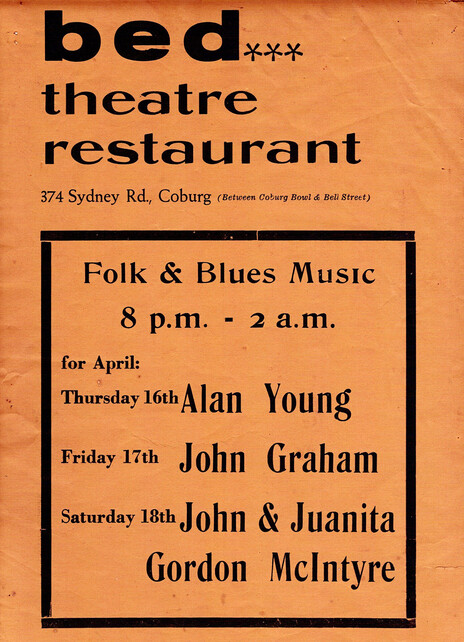
Bed poster, Melbourne, 1969. “I think this was my first paying non-folkclub gig in Melbourne. I’ve got another poster that shows I was there the following week.”
Photo credit:
Alan Young Collection
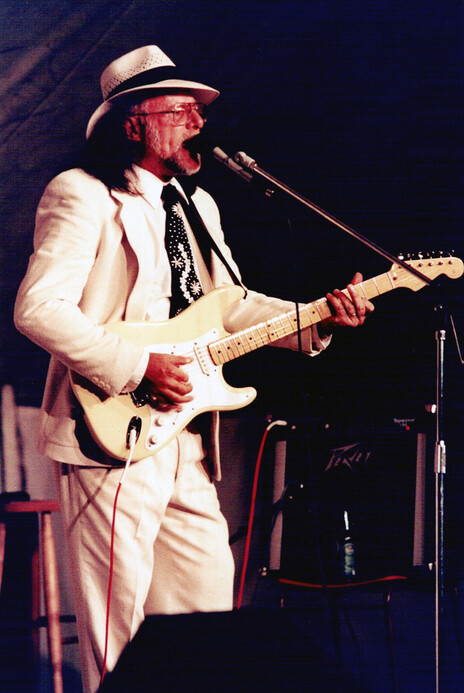
Dress up, not down, advises Al Young: “Two folkie heresies on full show at the 1996 Auckland Folk Festival – dressing up and playing an electric guitar. Both worked extremely well.”
Photo credit:
Alan Young Collection
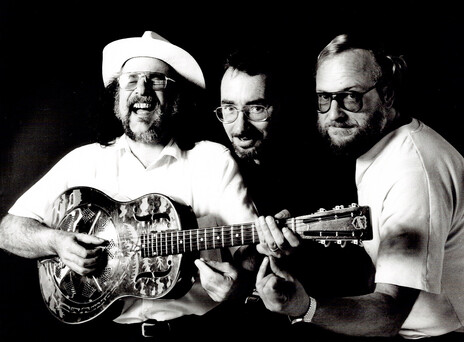
The Famous Al Young Blues Trio, circa late 80s/early 90s (L-R): Al Young, bassist Mike Wright, and drummer Mike Visser.
Photo credit:
Alan Young Collection
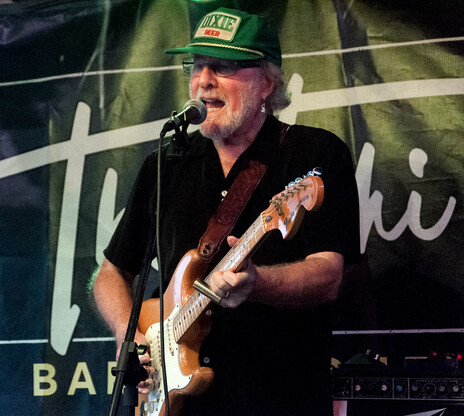
Al Young at the Tahi Bar, 29 March 2026.
Photo credit:
John Pain
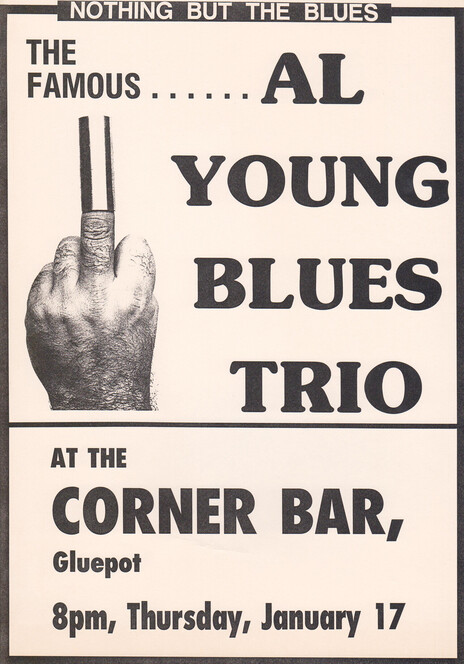
Al Young Blues Trio Poster for a gig at the Gluepot’s Corner Bar, 17 January 1991.
Photo credit:
Alan Young Collection
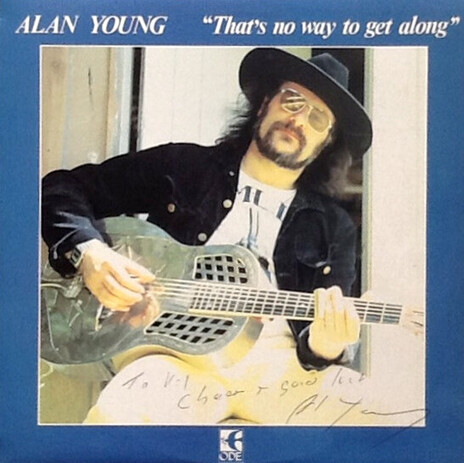
Alan Young - That's No Way To Get Along (Ode Records, 1985)
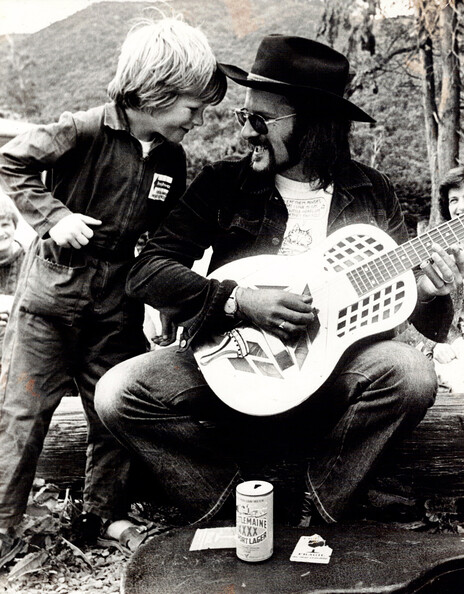
Al Young with Timothy Hudson – son of close friends Read and Kaye Hudson – at Dunedin’s Whare Flat Folk Festival in 1982.
Photo credit:
Otago Daily Times/Alan Young Collection
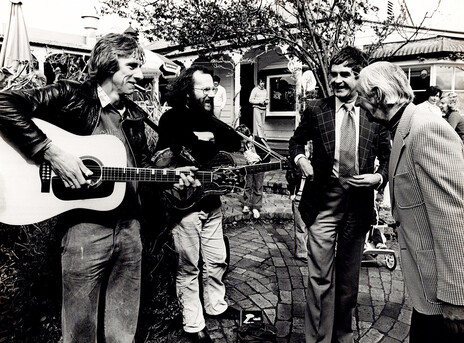
Dave Temple and Al Young busking in Parnell Village in 1977: a NZ Herald photo op with English actor Derek Nimmo (in necktie) and Auckland city councillor Mel Tongue. Nimmo, best-known for his role in the TV show All Gas and Gaiters, was in New Zealand touring a playing called Why Not Stay For Breakfast?
Photo credit:
Alan Young Collection
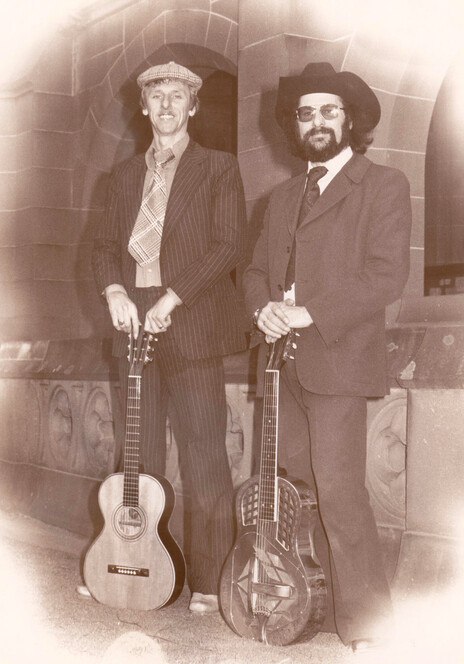
Amazing Hogget – the Sydney duo version with Dave Temple in 1979. “Yes, we’re wearing suits. By this time I’d learned about the ‘dress up, not down’ ethos that separated the original blues players from the white wannabes, so we applied it. (One of the great bluesmen – might have been BB King, but I don’t recall – said “Why do you want to go on stage in raggedy old denims with the knees out? That’s not what people come to see. They wear that to work – when they come out, they don’t want to see it again on stage.”)
Photo credit:
Alan Young Collection
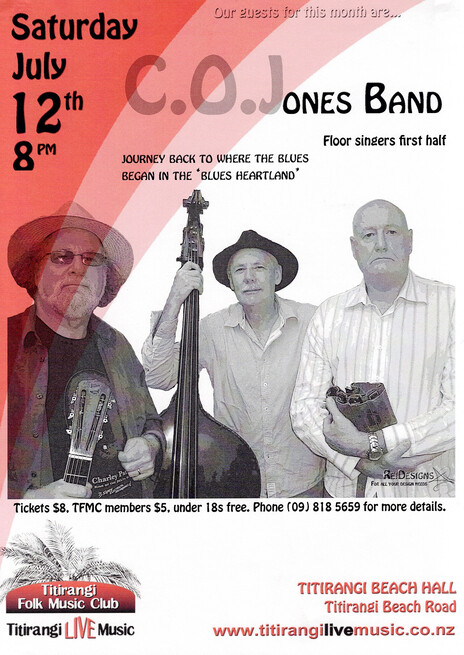
Poster for a C.O. Jones gig in Titirangi, c. 2012.
Photo credit:
Alan Young Collection
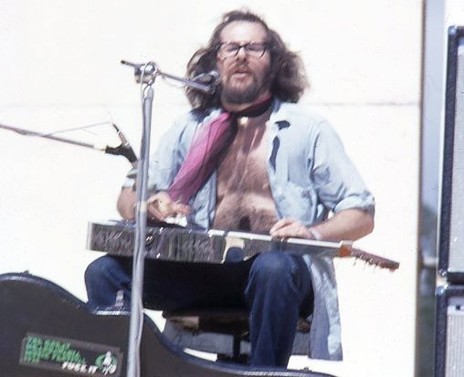
Alan Young, playing lap-steel guitar at the Great Ngāruawāhia Music Festival, 1973
Photo credit:
David Stone
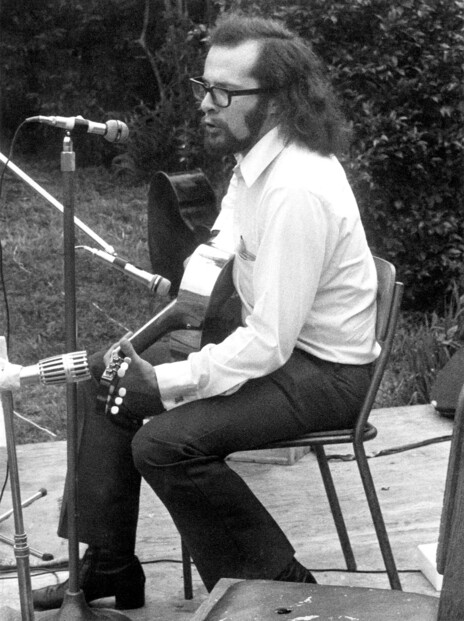
Al Young, playing at one of the early Auckland Folk Festivals, at Moller’s Farm in Oratia, West Auckland, c. 1973-74. “Yes, I’m wearing suit trousers and a dress shirt with cufflinks – I’d been at work and come straight from the job at the NZ Herald (in those days reporters wore suits) to Moller’s Farm.”
Photo credit:
Alan Young Collection
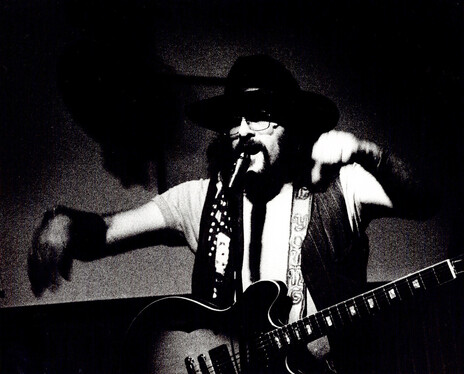
In full cry: Al Young with Mamlish, probably at the Shakespeare, Auckland.
Photo credit:
Alan Young Collection
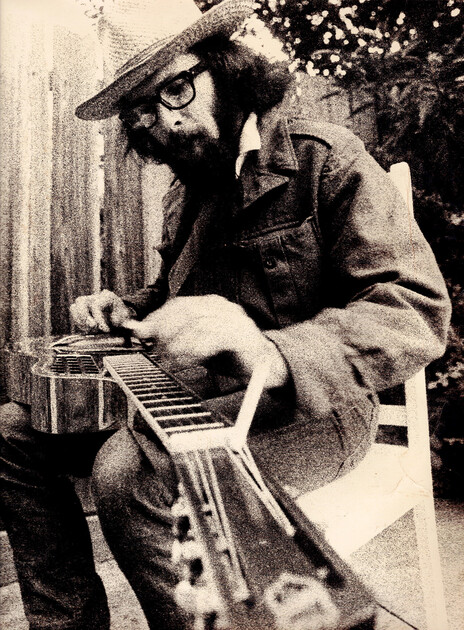
Al Young, Melbourne, 1969. “A portrait of the artist as a young dog – playing the new (to me) 1938 National triplate in a mate’s backyard.”
Photo credit:
Alan Young Collection
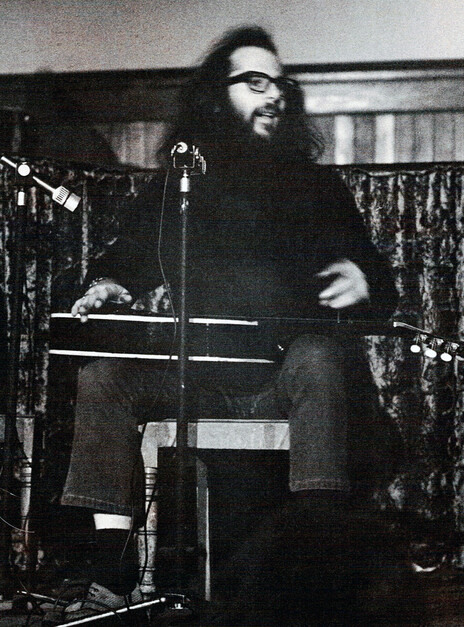
Al Young playing the “1918 Dobro” – “an Australian-made Wayne Ampliphone sold to me in 1968 by Aussie folk-singer John Graham, who told me it was a 1918 Dobro. I don’t remember where this was taken – possibly in Australia, but more likely the South Island c. 1971/72.”
Photo credit:
Alan Young Collection
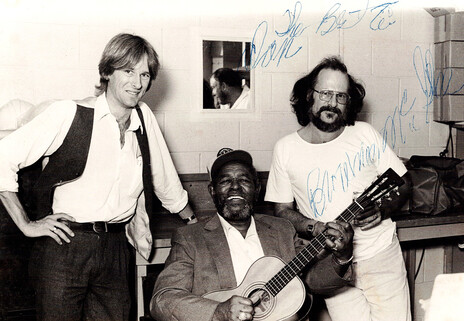
US blues star Brownie McGhee playing Al Young’s early 1920s Stella Guitar, flanked by Young and Auckland musician Neil Finlay. “The Stella was a cheap but solid guitar widely used by blues players in the 1920s,” says Young. “When Brownie saw it, he said ‘Woah, you’ve got a Stella like my Daddy used to have,’ and made me promise to give him first option if I sold it. I’ve still got it; Brownie has passed on.”
Photo credit:
Alan Young Collection
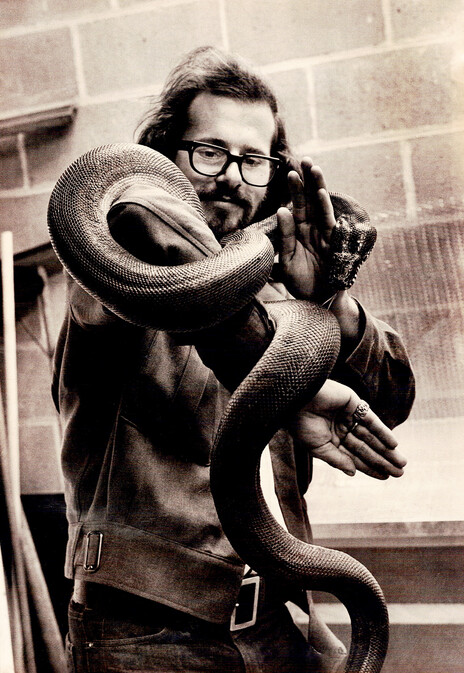
Al Young, Melbourne, 1969. “My day job was also quite interesting … but that’s another story. (It’s a python at Melbourne Zoo.)”
Photo credit:
Alan Young Collection
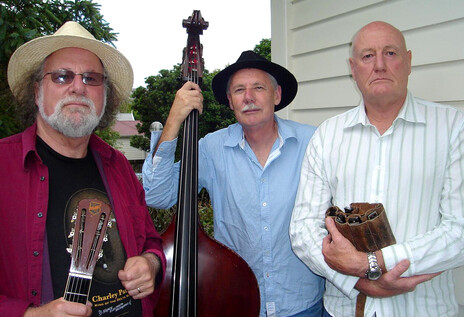
C.O. Jones (L-R): Al Young, Garry Trotman, Jack Craw. “A three-piece acoustic blues band we formed somewhere around 2012; all three of us are also in Railway Pie, but this band was Railway Pie’s Auckland contingent. Did mainly folkie gigs, but a few pubs as well.”
Photo credit:
Alan Young Collection
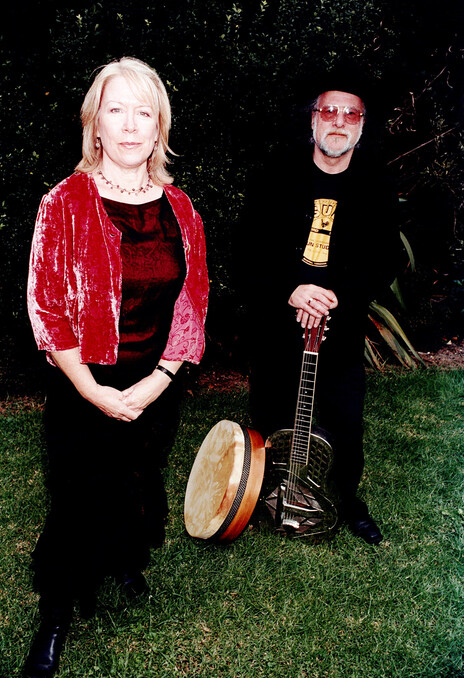
Beverley and Al Young, c. 2000. Taken as promo for Beverley’s album Tinkerman’s Daughter, but this one was a bit tongue in cheek – note bodhran leaning up against a National.
Photo credit:
Alan Young Collection
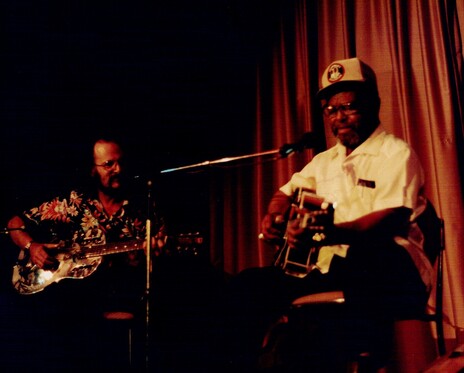
Al Young on stage playing with Brownie McGhee at the Maidment Theatre, Auckland University. “I can’t remember the year, certainly 1980s, possibly 1983. Brownie visited New Zealand at least two or three times after he split with Sonny Terry.”
Photo credit:
Alan Young Collection
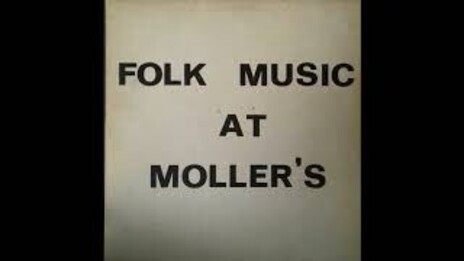
Folk Music at Mollers Farm, 1978. Alan Young plays guitar on the opening track, a cover of the Jimmie Rodgers song 'My Blue Eyed Jane'
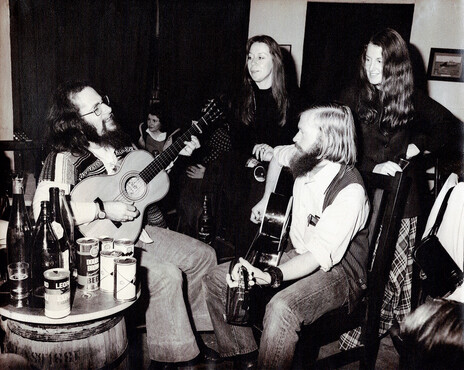
Party night at the Devonport Folk Club, early 1970s. Al Young (left) with friend and fellow blues player Keith Finlayson (RIP), watched by Beverley Young (left) and Sonya Giles.
Photo credit:
Alan Young Collection
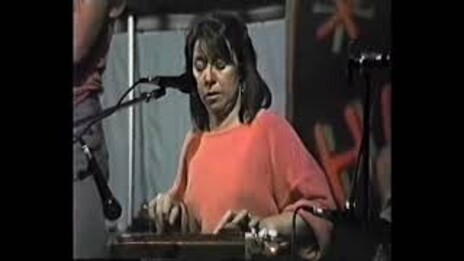
Beverley Young with Alan Young & Acoustic Confusion
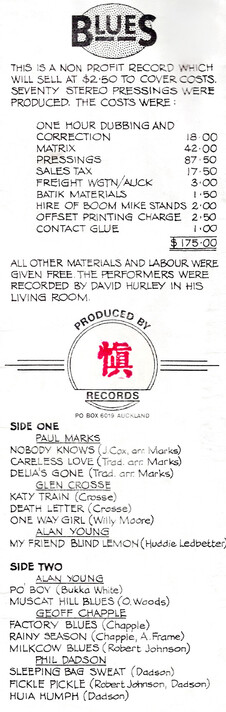
The liner notes to the limited-edition blues album recorded in Auckland in the early 1970s, featuring Paul Marks, Glen Crosse, Geoff Chapple, Phil Dadson and Alan Young.
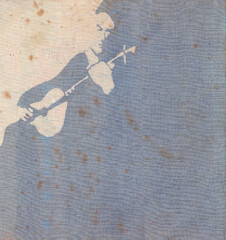
Al Young on his first recordings: “Somewhere around the early-to-mid-1970s, I recorded three tracks for what I suspect was probably the first album produced by Dave Hurley – later a New Zealand record production maestro. This album isn’t included in his [Discogs] discography, but it was made in his living room in Meadowbank, and showcases an eclectic group of five folk-ish Auckland blues players: Paul Marks, Glen Crosse, Geoff Chapple, Phil Dadson and Alan Young. Seventy copies were pressed. The front of the sleeve was screen-printed cloth, the back was glued-on paper, both over random pieces of cardboard – my copy appears to have started its life as the cover of a colouring-in book. I doubt many copies are still around, but to this day, the occasional person still pops up saying “Guess what I’ve got …”
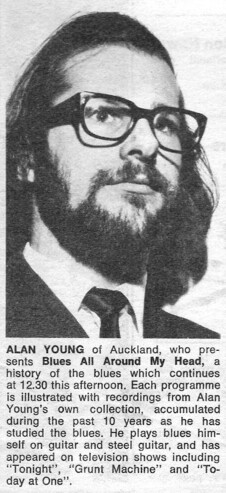
A NZ Listener “brief” about Al Young’s second series of blues shows on RNZ’s National Programme. “I also appeared on a few TV shows, including Popco, and Radio With Pictures, for which I sang and played ‘Death Don’t Have No Mercy’ – by Blind Gary Davis – while sitting on a gravestone in Waikumete Cemetery. And Amazing Hogget did the talent quest Opportunity Knocks in the mid-70s; not a sober note was played.”
Discography