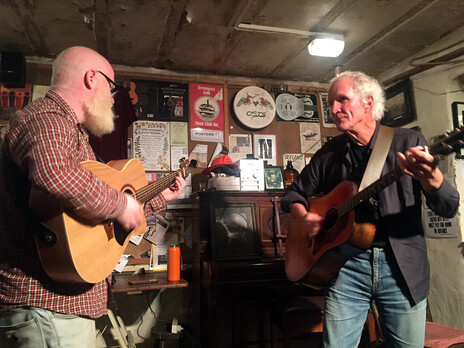
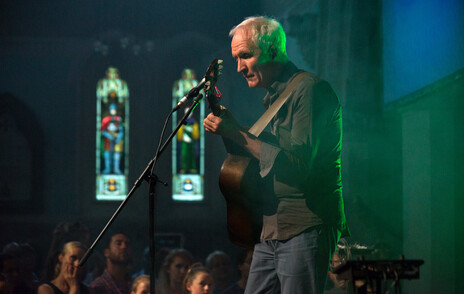
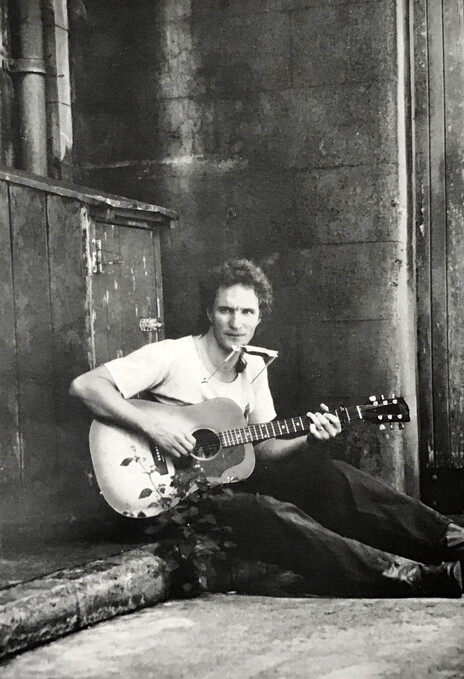
“Music was always around when I was a kid in Sandringham. My parents did what we still do in the acoustic scene, get together on a Sunday afternoon, have a jam, the families would have a pot-uck dinner, the kids just run around.
“Their friends were all professional players: Merv Thomas, Frank Gibson, Bob Ofsoske, Bob Ewing, all that lot. We just took it for granted.
“We also went down to the Tauranga Jazz Festival every year. My main memory was going to the beach, and when they had the rehearsals in the afternoon, they put talcum powder on the floors for the dancers, so we skated around.”
Laurent went to primary school at the Blind Institute, where his interest in music was kindled
His grandfather had been a classical musician, a piano tuner and blind – a congenital condition which has also affected Laurent’s life. When he was 11 the family moved down to Manurewa so he could go to Homai Intermediate, after doing his primary schooling at the Blind Institute in Parnell. It was there his interest in music was kindled.
“I had piano lessons when I was eight or nine, but I was not interested. Then The Beatles came out. I was still too young to get into the screaming thing, but I had a friend at school, Colin, who was into music, and he got all the singles so I would go over and listen. Then I noticed the girls liked The Beatles and I thought ‘that’s interesting’.
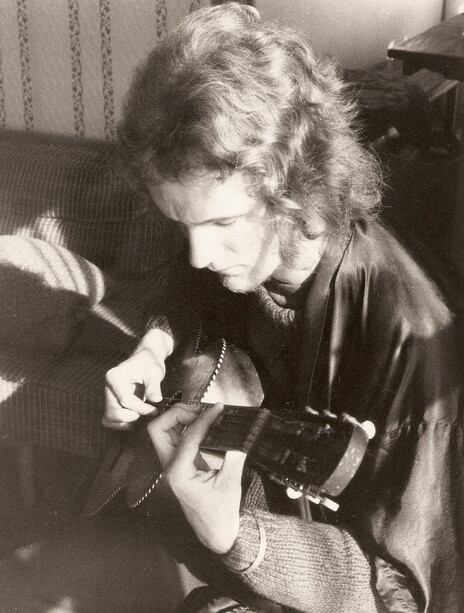
“There was a band at intermediate, the Kingi family, and they did this thing at school assembly, like ‘You Really Got Me’ and I thought ‘it would be cool to be able to do that,’ so I asked my folks if we could get a guitar.
“My parents were good – they were not trying to steer me into jazz, they let me go my own way.
“I got my first electric, not even an amp at first but my dad had reel-to-reel tape decks, one had an amp and speaker in it, he let me plug into that. It sounded good because you could overdrive it.
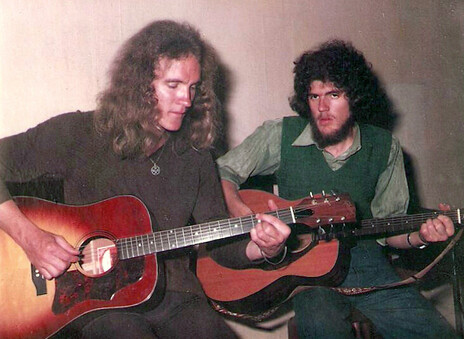
“I played in bands in South Auckland. There was a youth club dance in St Anne’s Church Hall in Manurewa every Friday night. Roger Skinner and the Motivation did one week and we swapped the other week.
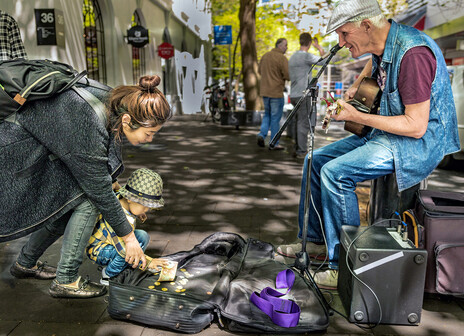
“I saw Roger the other day for the first time in 50 years and he’s doing same thing I’m doing now, playing retirement villages.”
Laurent says he was “sidetracked by hippie”. “I was fascinated by the counterculture because I didn’t like rugby, racing, and beer culture, and the music was going with it.
“I was fascinated by the counterculture – I didn’t like rugby, racing, and beer culture”
“The band wanted to be Cream. I went to listen to Human Instinct and The Underdogs at The Galaxie and the Bo Peep, clubs like that. Jimmy Page was one of my biggest influences, because he played both acoustic and electric.
“The Beatles’ White Album – if there was one single influence, that’s a biggie because they did everything. I have always wanted to do that
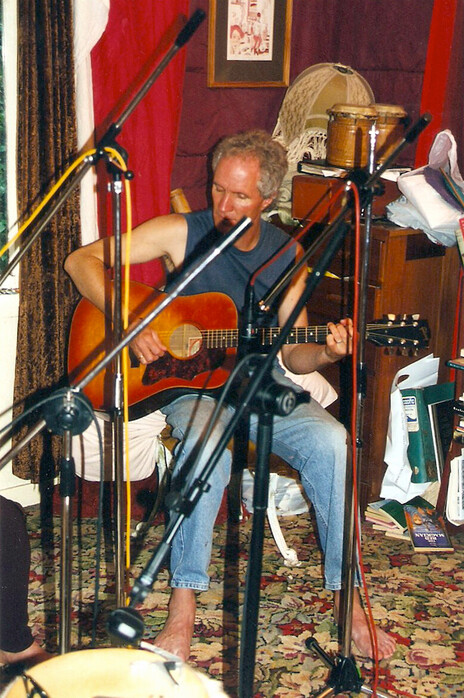
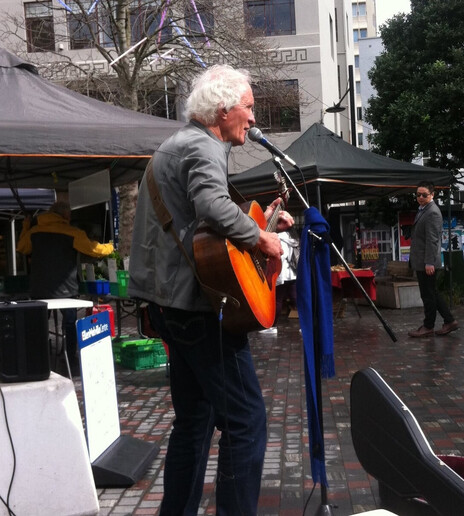
“Another part of me wanted to be a guitar hero. I partly gravitated to acoustic music because of my eyesight. I had an amp stack and played Strats [Fender Stratocasters] usually but it always was a hassle because I had to ask someone if I could get a ride or a taxi. With an acoustic I could just get on a bus.”
During the 1970s Laurent played with a string of non-famous bands, including Little Wing with medical student friend Clive Garlick, which helped to establish the Kiwi Tavern as a short-lived venue before their residency was taken over by a nascent Hello Sailor.
“I vaguely knew Graham Brazier and Dave McArtney. I went to a party once with whole lot of musicians; I think it may have been at Mandrax Mansion [a notorious house in St Mary’s Bay which was also the home of Dragon members]. Little Wing took most of the gear and people would get up and play but Graham and Dave wouldn’t get up because they had their own thing – they were precious about keeping their purity, and they were better than us, probably didn’t want to condescend to play with us. We didn’t take it badly.”
Laurent says he dabbled in drugs but “never went too far. I’m not an addictive person. I saw what it did to others and I did not like the morning after. I had one bad trip, I mostly enjoyed them, but had friends got into trouble, ended up in Kingseat [psychiatric hospital].”
While he was raised a Catholic, he saw church as a place for people scared of going to hell. But he did feel there needed to be more to life than what he was seeing.
“We had the Baba Ram Dass set in a flat I was in [a three-disc set by US philosopher Richard Alpert]. We would get stoned and listen to the whole three hours, waiting to be enlightened.
“I went and chanted with the Hari Krishnas, tried all the things, Moonies, never joined any – I mainly went to Hari Krishna because they had good food, the Sunday feasts at the original temple in Gribblehurst Road. Harvey Mann and Glenn Absolum were part of that. I used to listen to Living Force.
“I was interested in all that but kept getting drawn back to Jesus. I was sitting in a church in Wellington and I could hear someone speaking to me in my head: I felt Jesus saying ‘don’t look at other people, look at me’. I decided I did believe and went with that.”
That led to a period playing in churches and writing Christian-themed songs, as well as playing sessions on advertising jingles at studios including Mandrill and Progressive.
“I didn’t start writing songs until the Jesus thing – I listened to other people’s songs and thought ‘they say that so much better than me’ but with the Jesus thing, a lot of it was pretty schmaltzy and I thought there must be a better way to say this. That’s when I got into songwriting and found I was not too bad at it.”
The Jesus rock movement of the early 1970s influenced Laurent, and he started writing songs
The Jesus rock movement of the early 70s influenced Laurent and he had the chance to play with Larry Norman, who visited Aotearoa, and Barry McGuire (‘Eve of Destruction’), who lived here for several years.
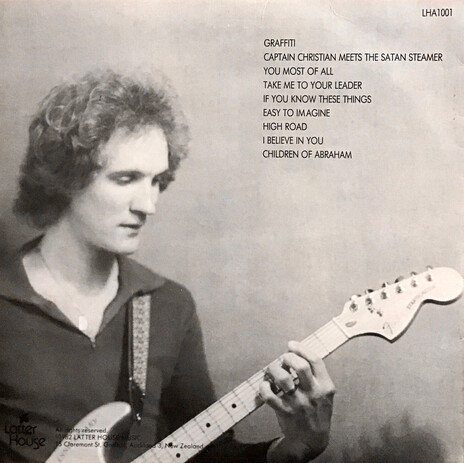
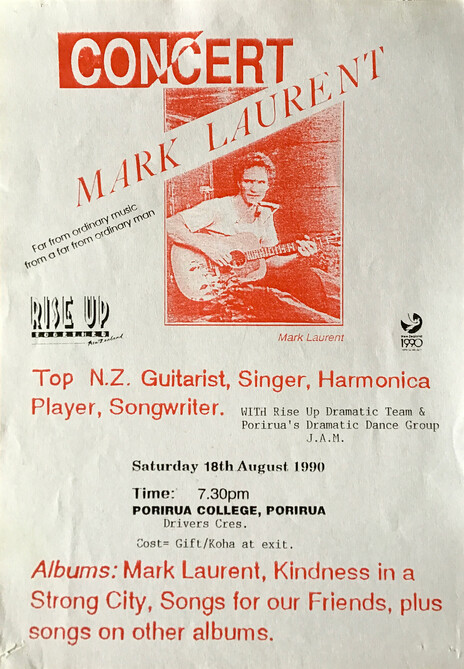
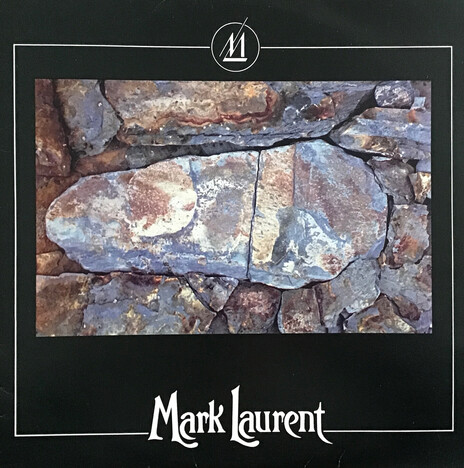
In 1982 Guy Morris, a co-founder of Direction Records, started the Latter House label, mainly to release Laurent’s work.
“Guy was the agent for Word Records [a Christian label from Waco, Texas]. He was also a good friend of Murray Thom and got him to distribute the album through Sony.
“I was just playing in churches and outreach things where you would go and play on streets. They tended to be charismatic churches where they would get a guest musician like me or Derek Lind to do a concert and they’d tell the kids to bring a friend. The venues were pretty conservative, most of them, but they accepted us because they could see this was the new thing.
“I used to play for the evangelical churches doing Jesus crusades in Alexandra Park. They’d have these big speakers from overseas like Luis Palau or Reinhard Bonnke. I’d play guitar in the backing band and occasionally they’d let me do an item.
“When I did that album they banned me from playing those because they said ‘that’s sinful rock and roll, we can’t trust you, you might launch out into something.’ I actually quite enjoyed that, being on the radical fringe.”
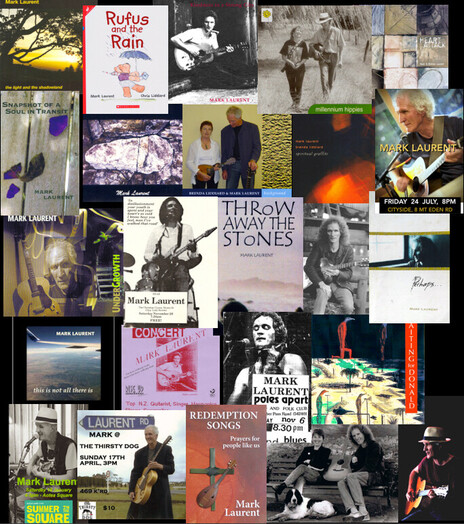
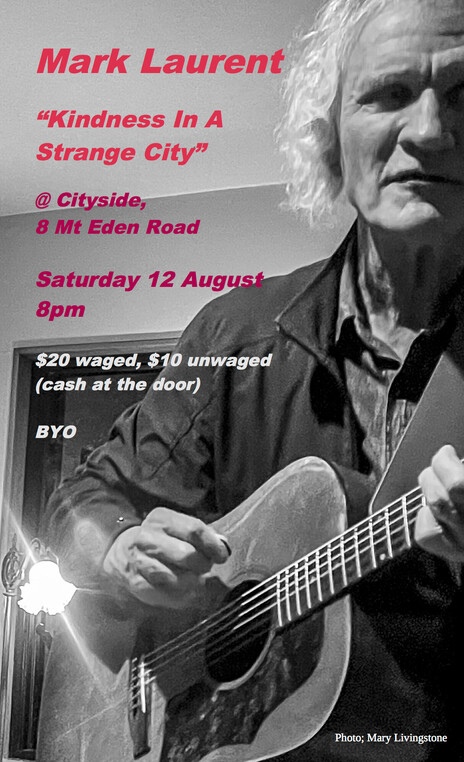
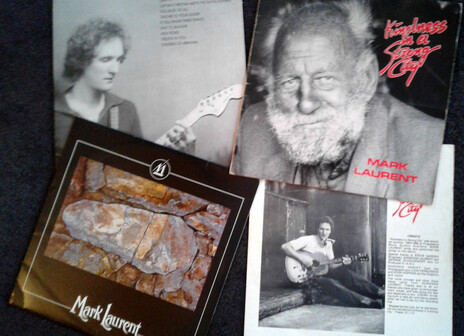
It was followed in 1986 by the album for which he’s best known, Kindness in a Strong City.
“Kindness sold something like 5000 copies. It seems so naïve now but sometimes you are on the zeitgeist and don’t know it. Now I would re-record it all, sing the songs better, get rid of faux American accent but I know it has something I can’t quite pin down – in Christian speak ‘it had the spirit’.
“The cover is of Allan Lloyd, one of the street people at the time. He used to hang out in a pocket park by Karangahape Rd. Afterwards I realised it was a dumb thing to do to put someone else’s face on the cover, but I was inspired to do that by a Harry Nilsson album where he did the same. It was some sort of false modesty.
“I was doing a concert in Founders Theatre in Hamilton in 1986 or 87 with Youth for Christ or something like that, and I heard a young woman at the merch table looking at the album and saying ‘is that the guy we came to listen to, that old guy?’ When I reissued it on CD I used the inside photo.”
Laurent says as a former hippie he never really fitted into the Pentecostal churches, and “when I left I had to do a big unlearning curve”.
A crisis of faith led him to start doing more secular folk-oriented albums which he released independently, often in association with his new partner and fellow musician Brenda Liddiard.
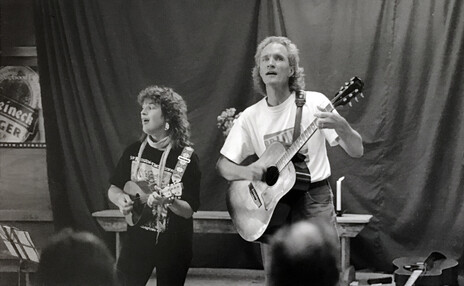
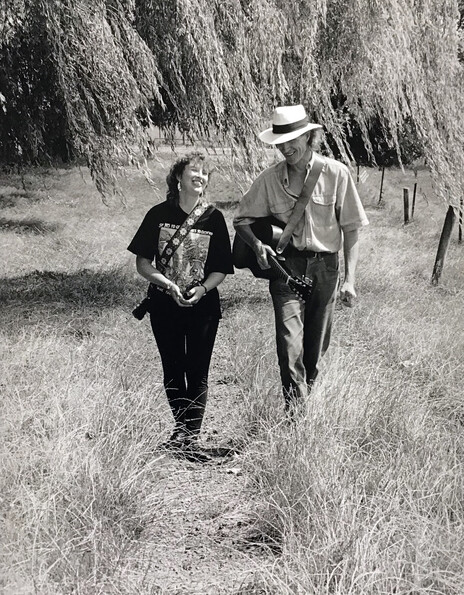
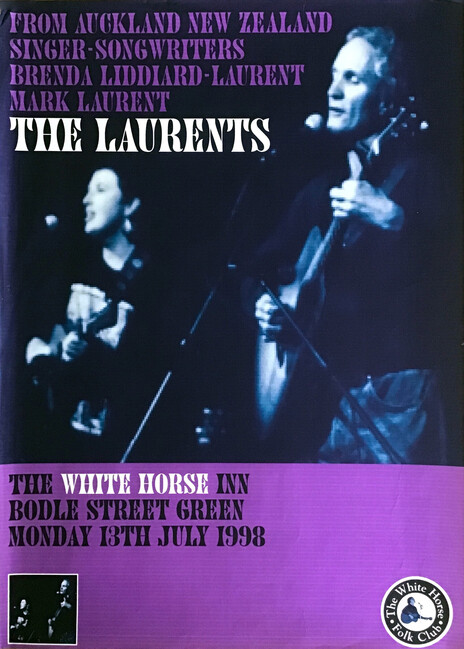
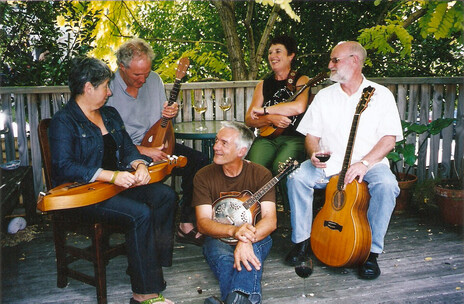
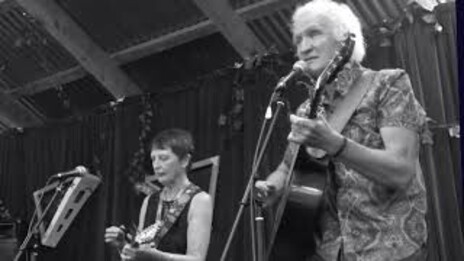
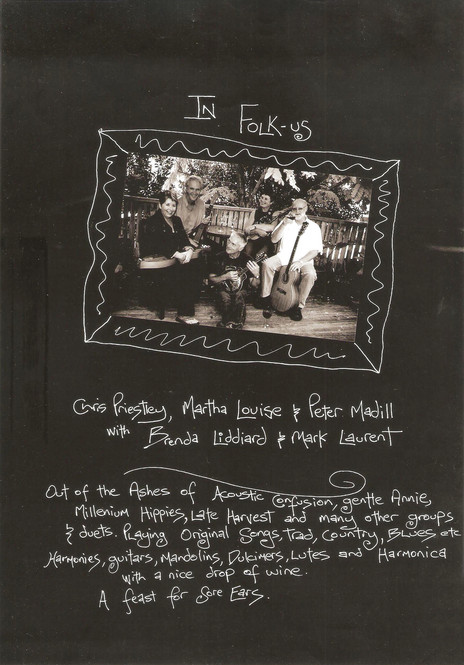
“We didn’t set out to be a duo but we went to the Tahora folk festival in Taranaki and she wanted to play with me – and it worked.
“Me having poor eyesight and not driving, it’s good to have someone get to gigs with. She’s got a different style, she’s more a country player, mandolin.”
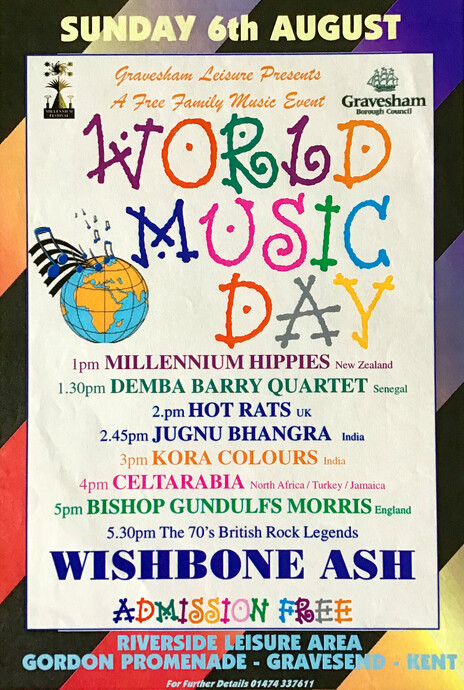
Their most successful collaboration sales-wise was Millennium Hippies from 1998, a title they used as a band name until after the millennium turned.
“I’ve written over 200 songs, a large percentage of which have been released”
Much of Laurent’s later output has been recorded in Robbie Duncan’s Braeburn Studio in Wellington, which is popular with folk musicians. “Robbie and his partner Chris [Price], she’s a good percussionist, so the four of us became a band, Waiting for Donald, and did an album in 2001. The guy who was music procurer for Borders compared it to Penguin Café Orchestra, so improvisational stuff. We’re looking at putting out a second album 24 years later. We toured in 2005, 2006 and I’ve been listening to the tapes we did about then.
“I’ve written over 200 songs, a large percentage of which have been released in some form or other, and before I wrote songs I wrote poetry, mostly terrible. I used to write stuff, keep it in piles, and one day I thought ‘I wonder if it’s any good’. So I did a cull and out of that came my first book in 1995, Perhaps ...
“The most successful was a children’s book, Rufus. I never intended to write a children’s story. I just wrote it for fun on a wet day. It was not even for our kids, they were too old for it by then. I tucked it in a drawer and found it by accident and thought ‘it’s not too bad,’ and sent to a number of publishers.
“Months later I heard from Scholastic – ‘sorry it’s taken so long to send your contract but if you’re happy to wait another month we’re finalising a distribution deal with Scholastic Australia.’ The original letter must have got lost in the post.”
Rufus, illustrated by Brenda’s brother Chris Liddiard, came out in 2008, and the following couple of years Mark and Brenda worked for Duffy Books in Homes, visiting about 400 schools. One of his most popular books is Redemption Songs: Prayers for People Like Us, his reinterpretations of the Psalms, which has been used by many congregations.
The pair also ran a Christian ecology network and supported with work for Christian charity Tear Fund, along with Derek Lind; this included releasing a fundraising album, Heart Attack.
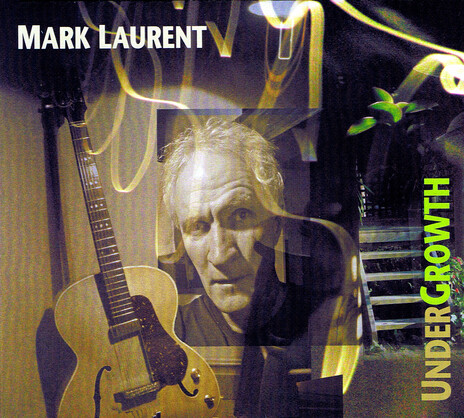
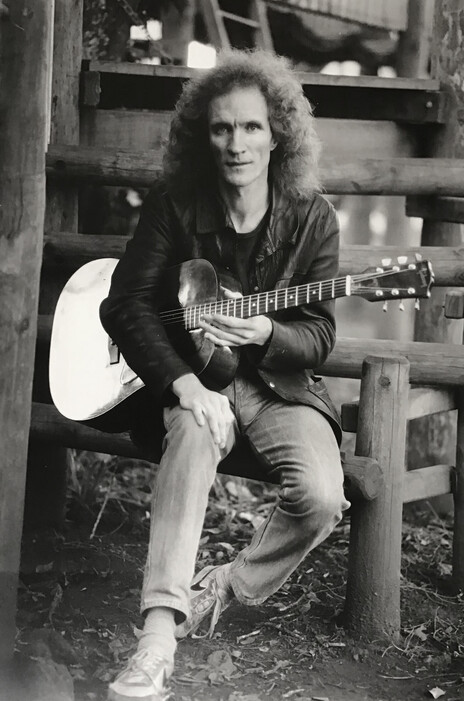
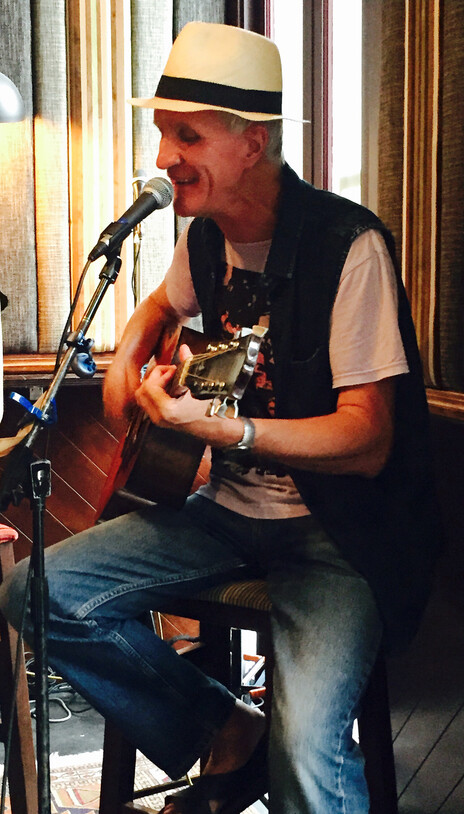
Mark Laurent’s Bandcamp page includes 16 albums, with two volumes of demos, and a best of collection. “I just keep doing whatever comes to hand,” he says.